
Two ways to grow, from one shared start.
Knowing how to use a tool is one thing. Applying it to a real problem, then helping someone else learn it, takes a different kind of practice. Beaver Guild is built around that progression: Tutorial Island as the shared start, then two pathways, practitioner and trainer, starting with Notion.
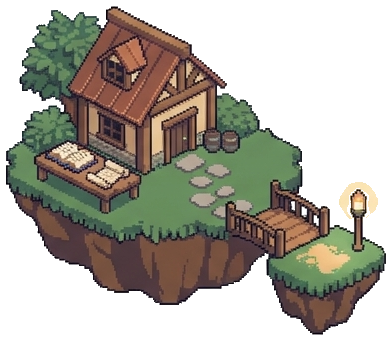
Everyone starts together.
Tutorial Island is the complete shared learning arc across several sessions, not just the first class.
- Foundations
- Notion AI and simple agent-assisted workflows, using a realistic fictional case
- Design thinking and applied building
- A tutorial quest and showcase of your working build
The showcase shows a working build, a clear explanation of your choices, the limits and checks you applied, and a tested improvement. It is a shared starting point, not mastery or automatic teaching approval.
Three areas of practice.

Foundations
Understand the building blocks and create clear, usable systems.

Agents
Build and test AI-supported workflows, with attention to their limits.

Design thinking
Frame problems, prototype solutions and learn from feedback.

Then choose your route.
After the showcase, choose one primary route. Add the other when you are ready. Subject learning and new features stay open to both.
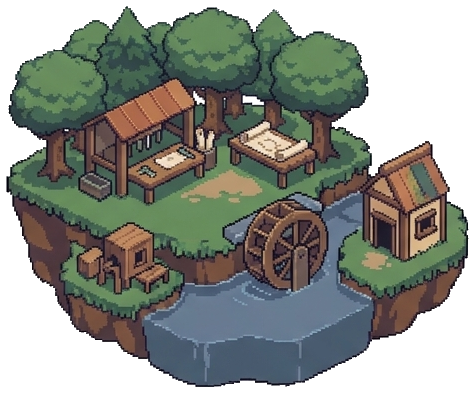 Route A · Practitioner Woodland
Build applied judgement, one quest at a time.
Repeated use-case quests, not a fixed feature ladder. Each quest adds to a portfolio of tested work.
- Explore the person, workflow and useful outcome
- Experiment and choose suitable tools
- Build and test
- Explain your decisions, evidence, limits and checks
- Capture the use case, then repeat
Teaching is optional. Work opportunities depend on readiness, fit and demand.
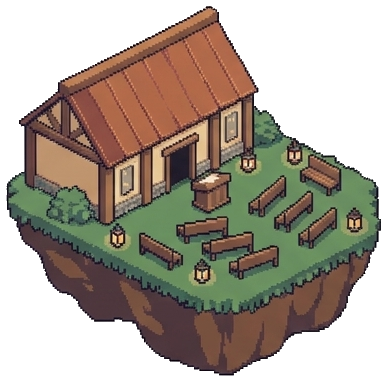 Route B · Trainer Hall
Teaching is a separate craft.
Work towards teaching independently, with practice and feedback along the way.
- Observe and support learners
- Co-teach
- Lead with supervision
- Teach within an agreed scope
- Mentor others
Evidence, feedback and readiness reviews govern progression. It is earned, not automatic.

The footbridge stands for optional collaboration between the two routes. Practitioners and trainers can work together on solutions and adoption; it is not a mandatory ladder from one to the other.
Achievements you can earn.
Each badge marks a different accomplishment. The practitioner and trainer routes are different crafts, so their badges are separate sets, not one rank ladder.
Swipe sideways to see every badge →


Recognition is still being designed. Badges will only be awarded once the evidence and criteria for each are agreed. Foundations Completed records completion, not assessed capability, and no badge is an official Notion certification, external accreditation or guarantee of work.
Progress you can demonstrate.
Our approach separates completing learning activities from demonstrating capability. For trainers, readiness means helping learners apply the skill being taught, not simply delivering a polished presentation. Assessment details will be shared before enrolment.
Common questions
Do I have to become a trainer?
No. People can develop as practitioners, contribute to the community or explore teaching when ready.
Does completing the programme mean I can teach?
Not automatically. The trainer pathway requires evidence of teaching readiness for a defined topic and learner level.
Do I need to know Notion already?
The model includes foundations and more advanced learning. Prerequisites and entry routes for the first pilot will be confirmed before enrolment.